Zurich: Drinking Fountains, Clock Towers and Canals (100 Days in Europe, Part 5)
Part 5 of 24 in the 100 Days Europe Travel Journal, our 100 days across Europe by train, plane, ferry and bus.
Zurich has more than 1,200 public fountains, and according to the city’s water supply, first-class drinking water flows from every one of them. That explains one line in my diary: “Little fountains of drinkable water everywhere.” Part 5 covers Day 10 of our trip, our day in Zurich. We had arrived by train from Lucerne (Part 4) at the end of Day 9. As in the other parts, my diary notes are kept exactly as I wrote them and in their original order, and after each one I have added what the official sources say about the places in it.
Trams, bicycles and a long walk with our bags
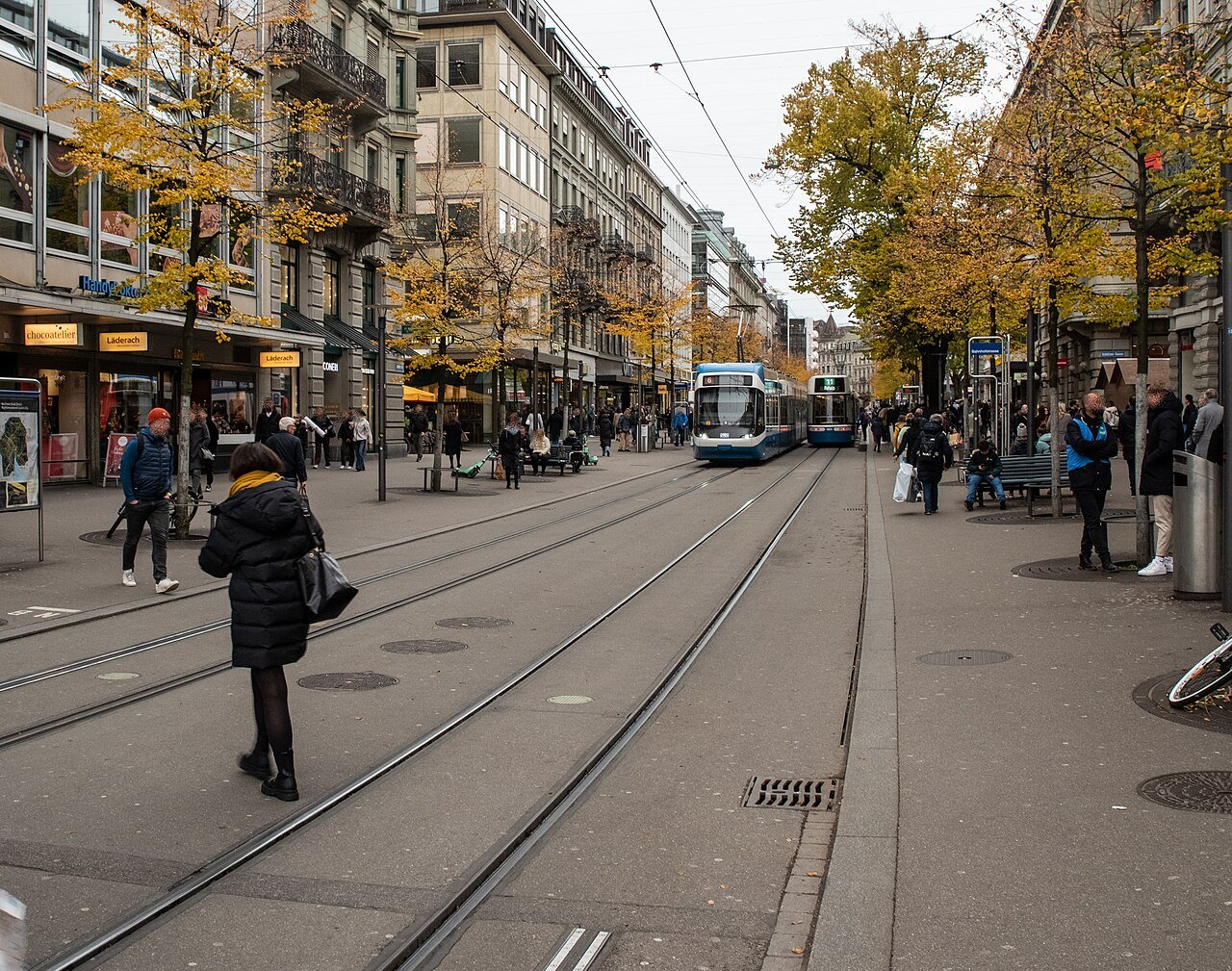
Zurich: busy but organized. Reminds of Melbourne. Trams and bicycles everywhere, restaurants, cakes, concept bars. Not too high buildings, graffitied, old sculptures, little fountains, mountains in distance.
Homestay far from station – 40+ min walk with bags (idea: look around while going). Vibrant cosmopolitan. Parks, canals, antique shops, cafes, bars everywhere. Excellent public transport – no need for car or bike even.
My note calls Zurich busy but organised and praises its public transport. The city’s transport company, Verkehrsbetriebe Zürich (VBZ), carried 309.1 million passengers on its trams, buses and trolleybuses in 2025. Britannica describes Zurich as the largest city in Switzerland, at the north-western end of Lake Zurich, with two rivers, the Limmat and the Sihl, running through it. My note does not say why Zurich reminded me of Melbourne.

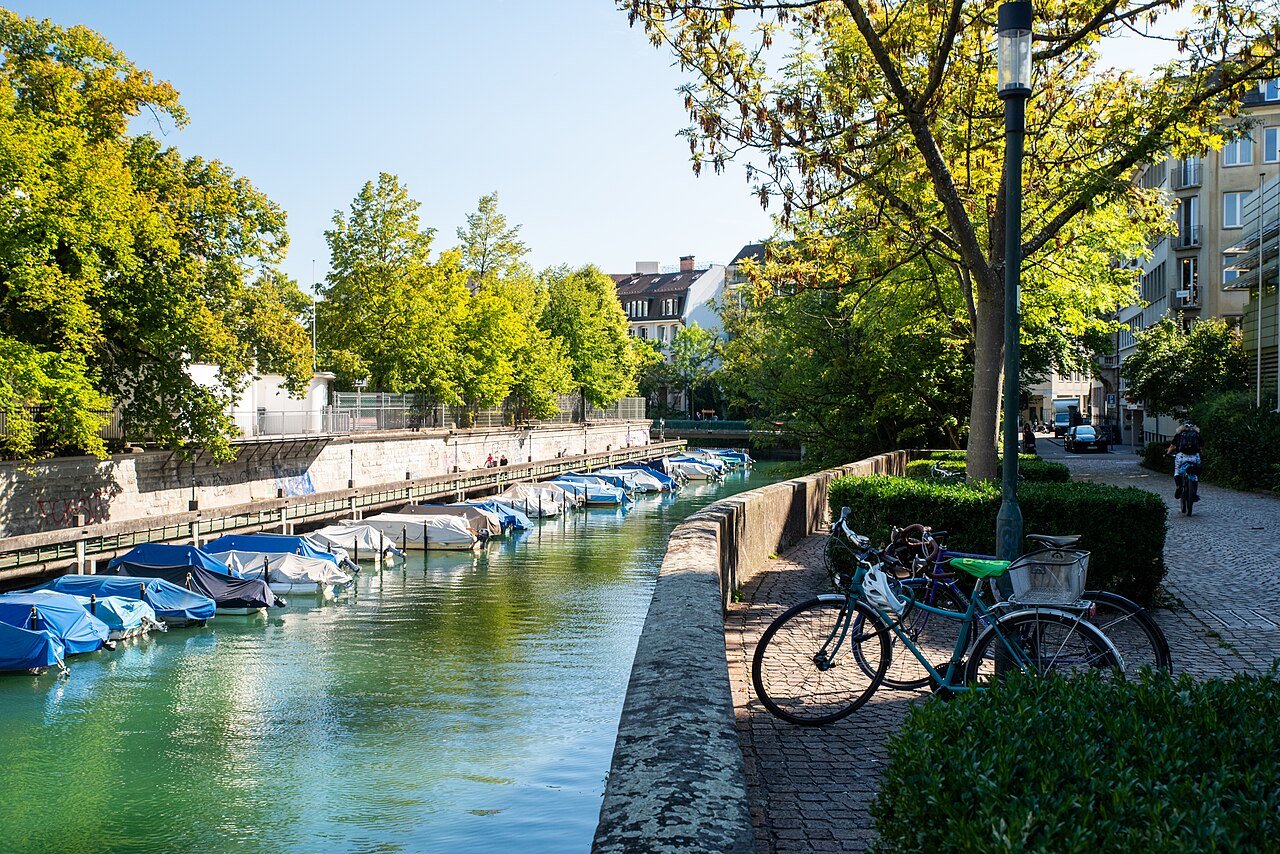
My note also mentions canals without naming them, and I did not record which ones we saw. One canal that Zurich’s tourist office lists as an insider tip is the Schanzengraben, a moat left from the city’s 17th-century fortifications. Zurich Tourism calls it the “Venice of Zurich” and describes a waterside promenade about two metres below street level, linking the main station with the lake. It also says the star-shaped fortification it belonged to was built between 1642 and 1678.

Both sides of the river, clock towers and drinkable fountains
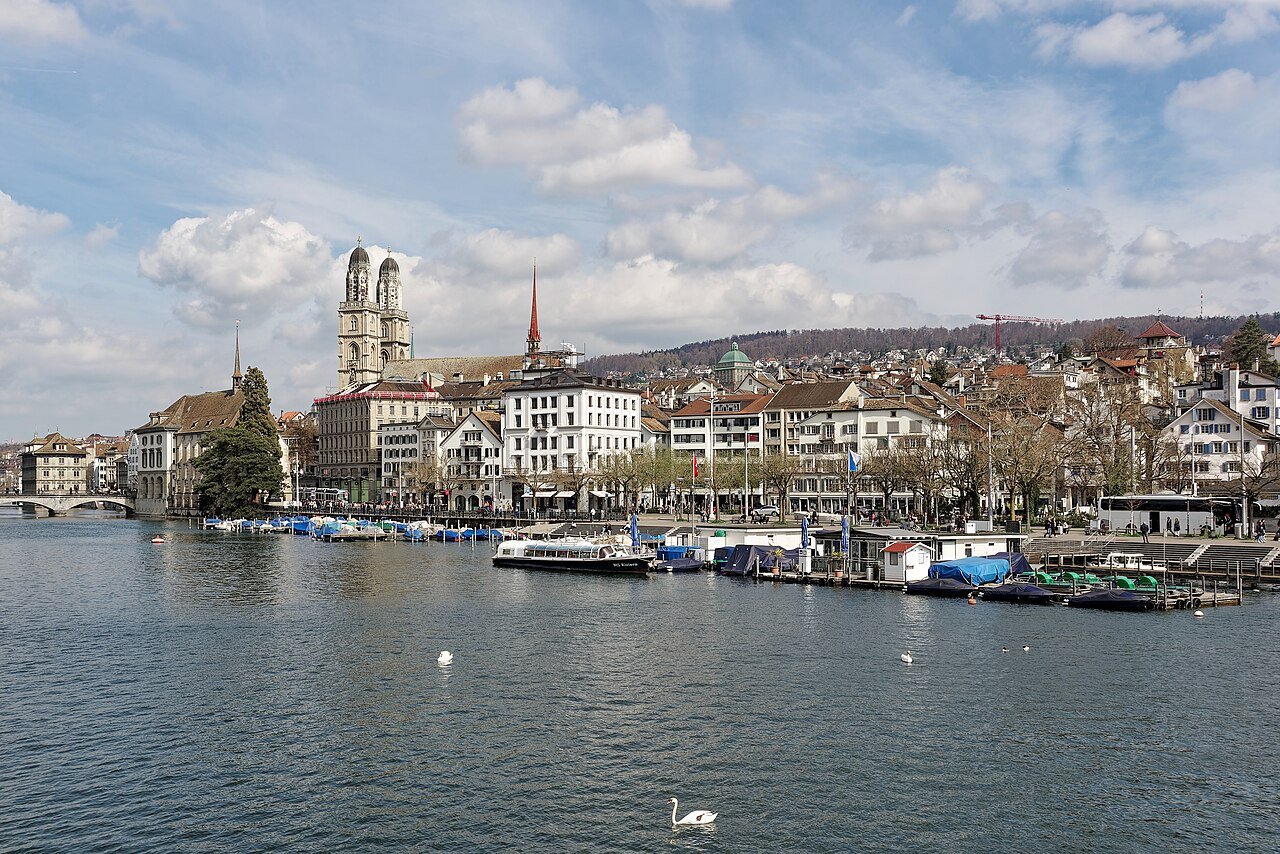
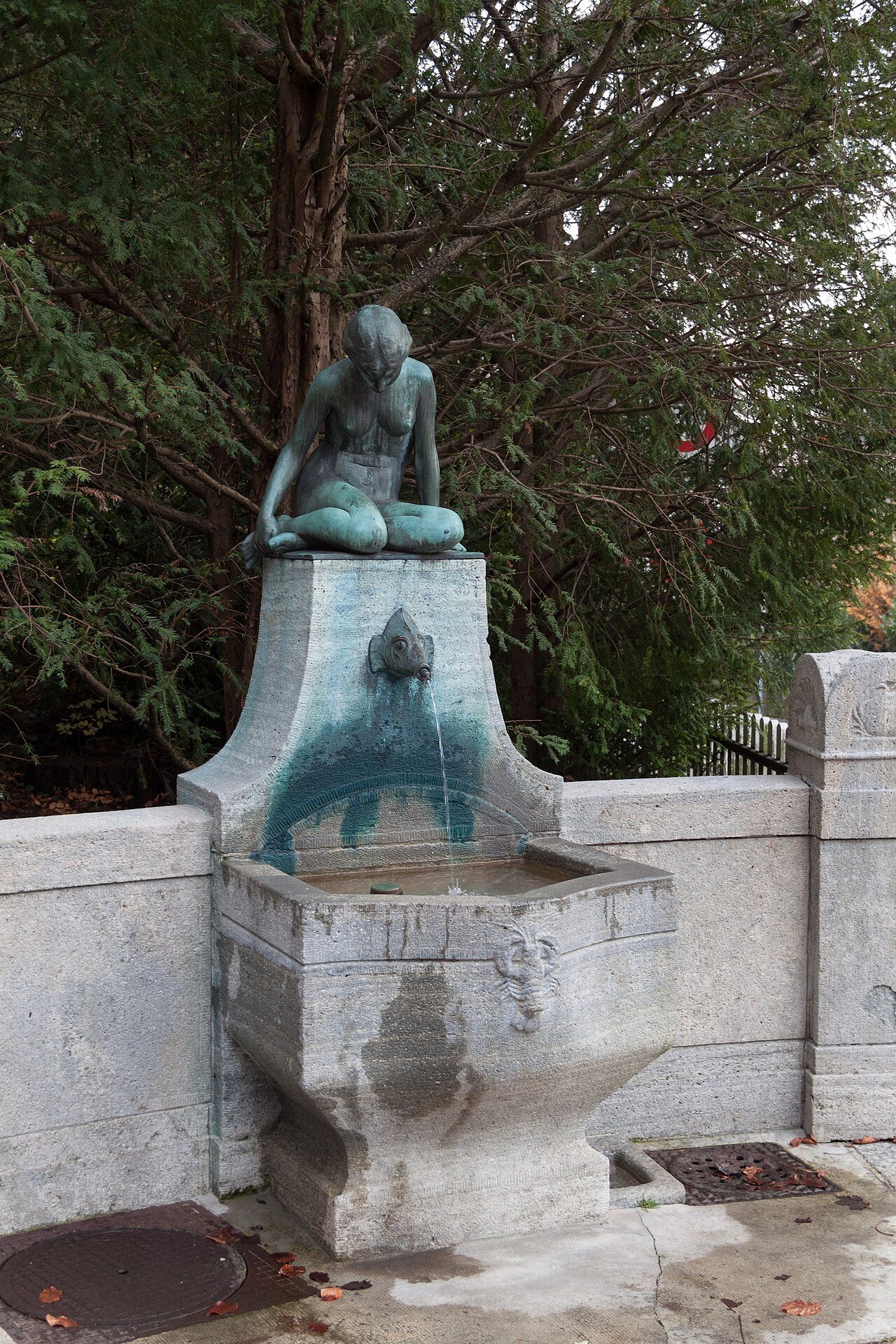
Nice walk both sides of river + cute alleyways. Church-like towers with clocks. Little fountains of drinkable water everywhere (carry reusable bottle for ecology).
My note does not name the river. Two rivers run through Zurich, the Limmat and the Sihl, and the old town’s Grossmünster stands on the Limmat. Britannica records that Huldrych Zwingli, a priest at the Grossmünster, began the sermons that started the Swiss Protestant Reformation there in 1519.

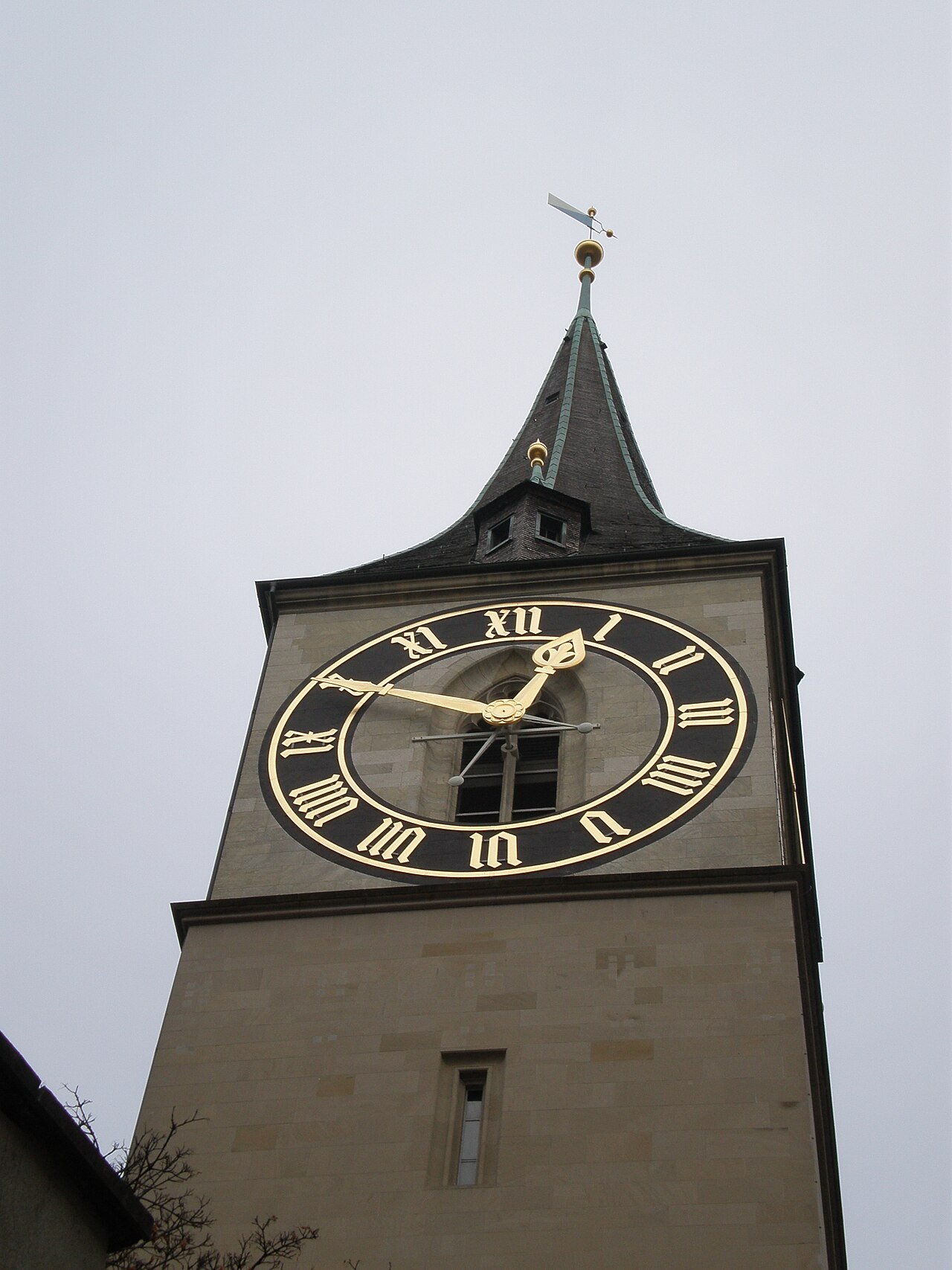
My note does not say which church towers with clocks we saw. Zurich’s largest clock, though, is on the tower of St Peter’s Church. The parish says that its tower has the largest tower clock face in Europe, with an outer diameter of 8.64 metres, and that the clock once set Zurich’s local time, which all the public clocks in the city had to follow. Zurich Tourism adds that the tower served as a fire watch post until 1911.

On the fountains, the official sources fully support my note. The City of Zurich says that more than 1,200 fountains decorate the city and that about 800 of them are connected to the ordinary drinking-water network. About 320 others, most of them historic fountains in the old town, are fed by a separate spring-water network 150 kilometres long. The city’s fountain guide adds that the fountains were once the town’s water supply and today invite anyone to a cool drink. So my reminder to carry a reusable bottle still holds.

Evening, and the road to Munich
Evening: old coffee shop for hot chocolate. Ended with instant soup, banana, clementine.
Short stay ended. Next: Munich, Germany.
In the evening we had hot chocolate in an old coffee shop that my note does not name, and the day ended with the simple supper listed in my note. The next stop in my diary is Munich, in Germany. Germany is one of the six countries that are still only in my original diary, as the Europe Travel page explains, so the published series goes on from here to Naples, Pompeii and Lecce (Part 6).
ZURICH IN ONE DAY
(in diary order)

 LUCERNE
    |  train (Part 4)
    v
 HOMESTAY
    |  40+ min walk with bags
    v
 RIVER, BOTH SIDES
    |  alleyways
    |  towers with clocks
    |  drinking fountains
    v
 OLD COFFEE SHOP
    |  hot chocolate
    v
 NEXT: MUNICH
 (not on this site yet)
The takeaway: Zurich is a city that rewards walking. The river gives it two banks worth exploring, and the fountains mean you can refill a bottle instead of buying one. So carry a reusable bottle, as my note says. If your room is far from the station, as ours was, use the walk to look around, or take the tram: the public transport is so good that you will not need a car or even a bike.
100 Days Europe Travel Journal · Part 5 of 24
← Previous: Lucerne: Chapel Bridge, Mount Pilatus and the River Reuss (100 Days in Europe, Part 4) | Next: Naples, Pompeii and Lecce: Castel Nuovo, Vesuvius and Real Neapolitan Pizza (100 Days in Europe, Part 6) →
More from the journey: the Europe Travel page (all fifteen parts) · every Switzerland post · Part 1: Geneva · Part 2: Montreux · Part 3: Interlaken · Part 4: Lucerne · Part 6: Naples