Geneva in a Day: Jet d’Eau, Old Town and Lake Léman (100 Days in Europe, Part 1)
Part 1 of 24 in the 100 Days Europe Travel Journal, our 100 days across Europe by train, plane, ferry and bus.
Our travel story begins with Geneva, Switzerland. We started from Paris Gare de Lyon literally a day before the national strike. Over three months we travelled by train, plane, ferry and bus, ending just before the COVID lockdowns. This 15-part journal covers 24 of the cities and towns we visited, across five countries: Switzerland, Italy, Greece, Spain and Portugal; the Europe Travel page maps the whole route.
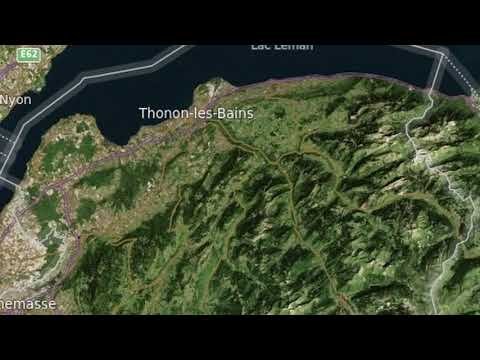
My diary entry for Day 1 is short. It is really a list, and I have kept it below exactly as I wrote it. The rest of this post takes each line in turn and sets it beside what the official sources say, so that the list becomes a small guide to the city.
Day 1 highlights:
- Free public transport pass + 50% museum discount as hotel guest.
- Bus to UN HQ area.
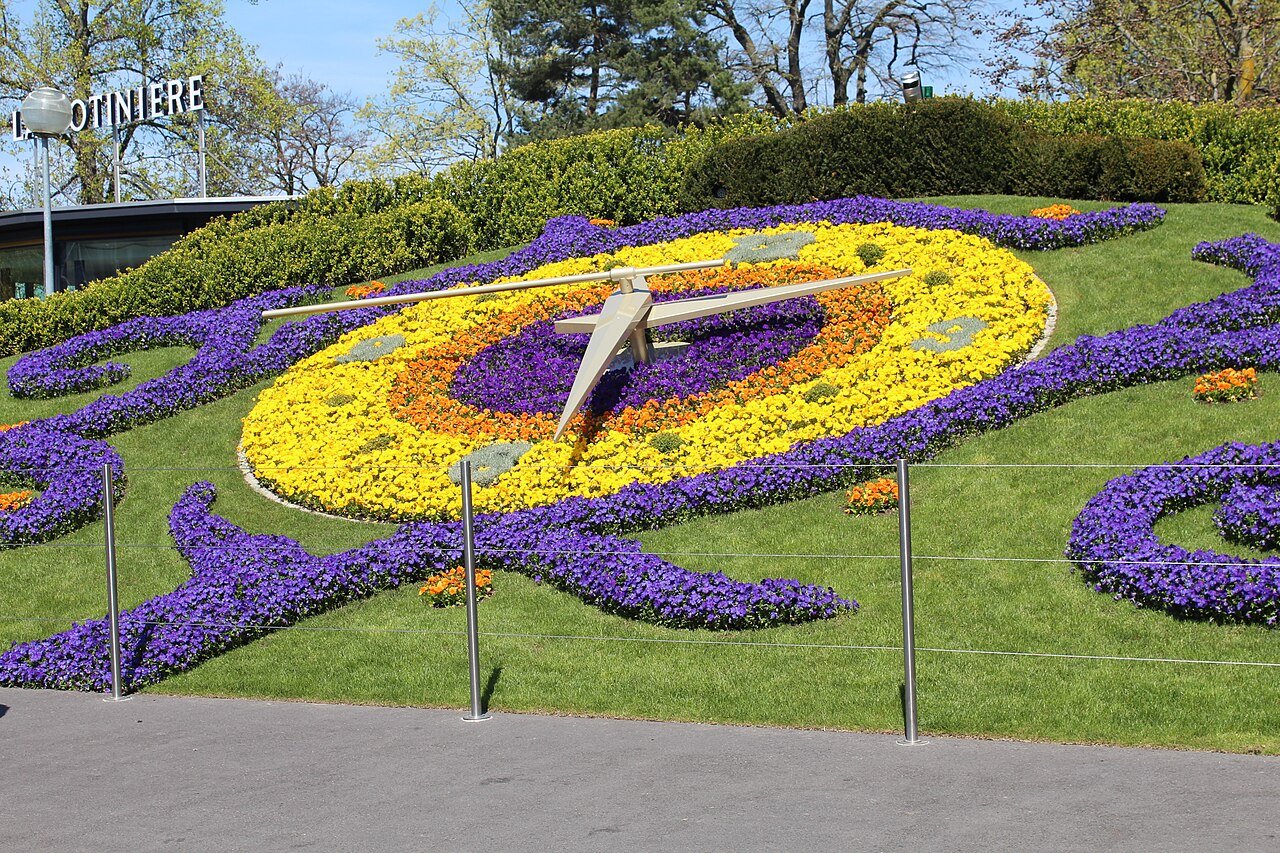
- Walked Léman lake, Mon Repos park, flower clock, first apricot tree.
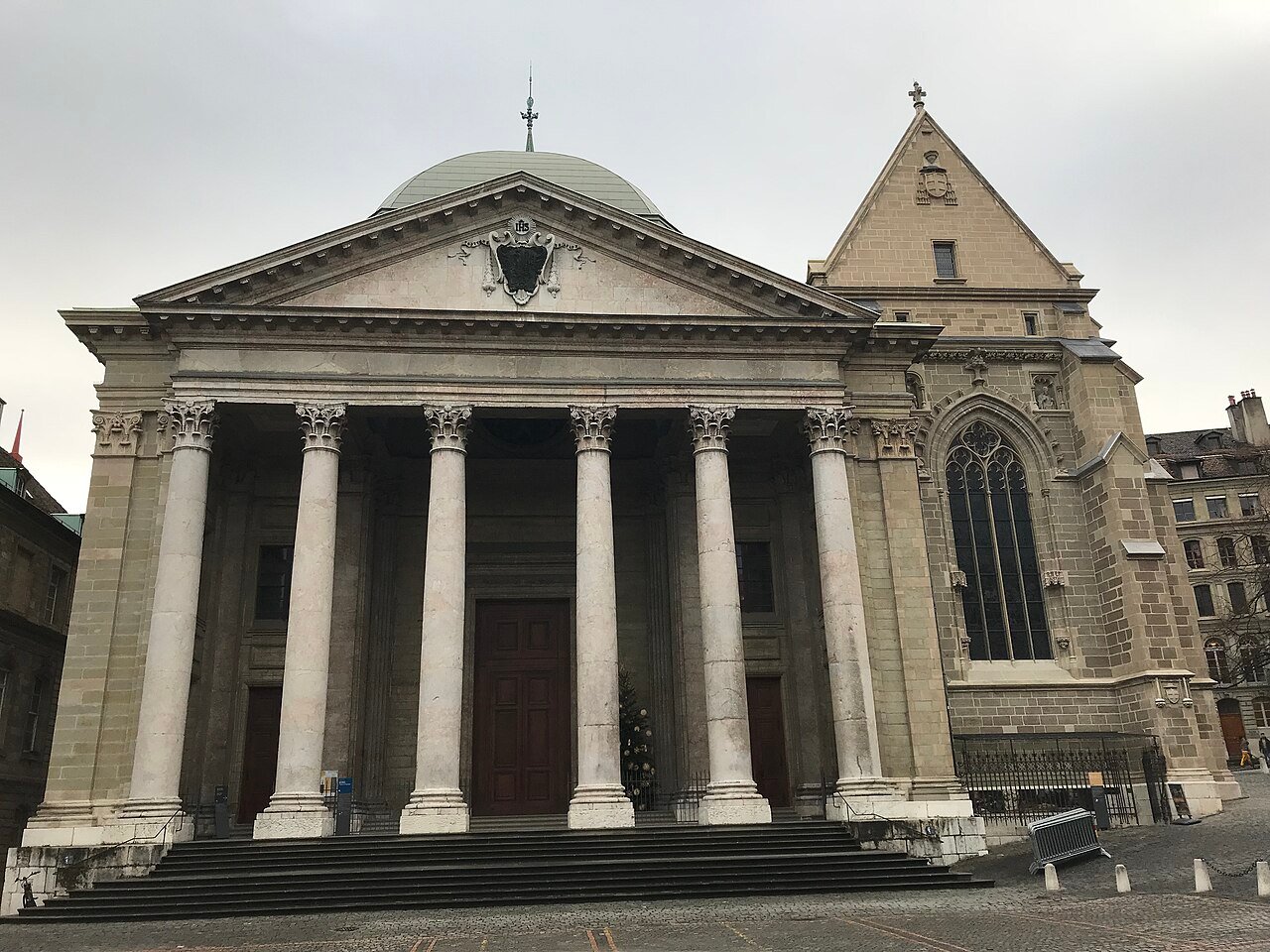
- Old town and cathedral (dark by 5:15 pm).
- Impression: hotels, banks, luxury brands. Not very touristic unless diplomat/Red Cross or hiding money in Swiss banks.
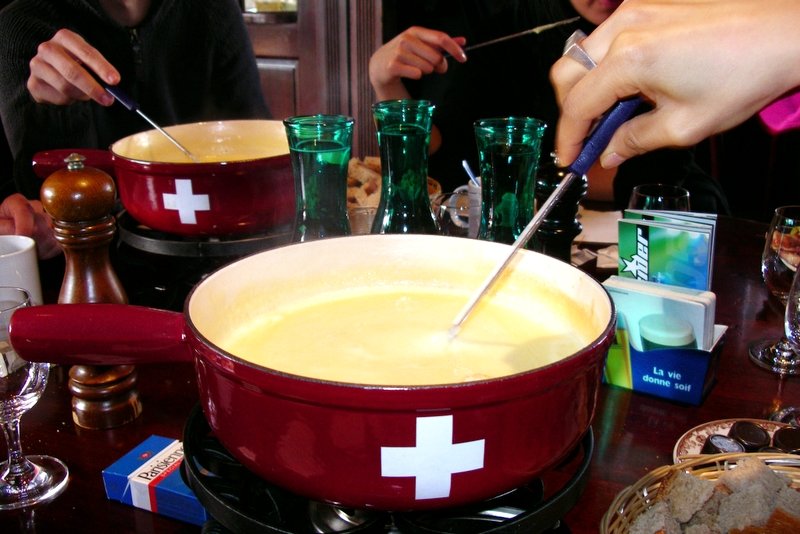
- Dinner: fondue with Geneva wine.
First problem: French plugs too big for Geneva; USB saved us.
Not the capital, but home to the Red Cross, the UN and the banks
In my notes I wrote that Geneva is often mistaken for the capital. That is true, and it is a common mistake: swissinfo.ch says that foreigners asked to name the Swiss capital often answer Zurich or Geneva. The government and parliament sit in Bern, which is officially called the “federal city” rather than the capital. Geneva itself lies at the south-western end of Lake Geneva, where the Rhône leaves it, according to Britannica; my original note called it “southernmost”, which was not quite right.
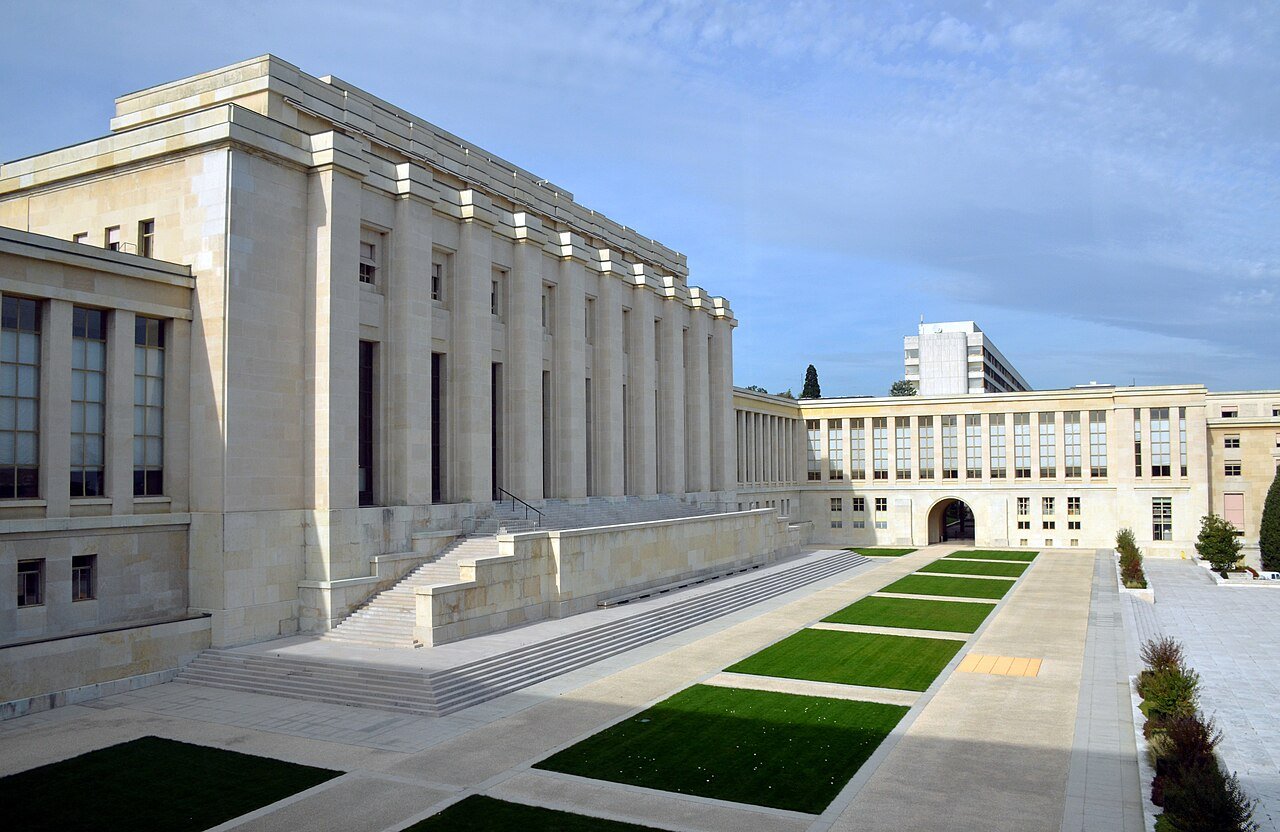
What Geneva does have, as my notes say, is the Red Cross, the UN’s European office and many banks. The International Committee of the Red Cross was founded in Geneva in 1863 and still has its headquarters there. The United Nations Office at Geneva, the UN’s second-largest centre after New York, works from the Palais des Nations, which was built for the League of Nations: the foundation stone was laid on 7 September 1929, the League moved in in 1936, and in 1946 it handed the building to the United Nations, which set up its European office there. Our own day included a bus ride to the UN headquarters area.

My first impression was of hotels, banks and luxury brands. I wrote that the city did not feel very touristic unless you are a diplomat, work for the Red Cross or have money to hide in a Swiss bank. The joke has a basis: Britannica calls Geneva Switzerland’s centre of private banking.
A free travel pass as a hotel guest
As hotel guests we got a free public transport pass and a 50% discount at museums. The transport pass is a city-wide scheme: Geneva Tourism explains that anyone staying in approved accommodation is entitled to a free Geneva Transport Card for the whole stay, covering buses, trains and the little lake boats. It is linked to the tourist tax that visitors pay on each night, which, according to the page for hosts, has given travellers the free card in return since 2006.
Along Lake Léman: the Jet d’Eau, Mon Repos and the flower clock
We walked along Lake Léman. The lake’s best-known sight, the Jet d’Eau, is in the title of this post and in the thumbnail of my video. The Swiss foreign ministry’s About Switzerland site tells its story: it began in 1886 as a safety valve that released excess pressure from the city’s hydraulic network, a jet only about 30 metres high. In 1891 a new jet was built on the jetty at Eaux-Vives as a tourist attraction, and in 1951 a new pumping station raised it to 140 metres. SIG, the utility that owns it, gives a flow of 500 litres per second at 200 km/h.
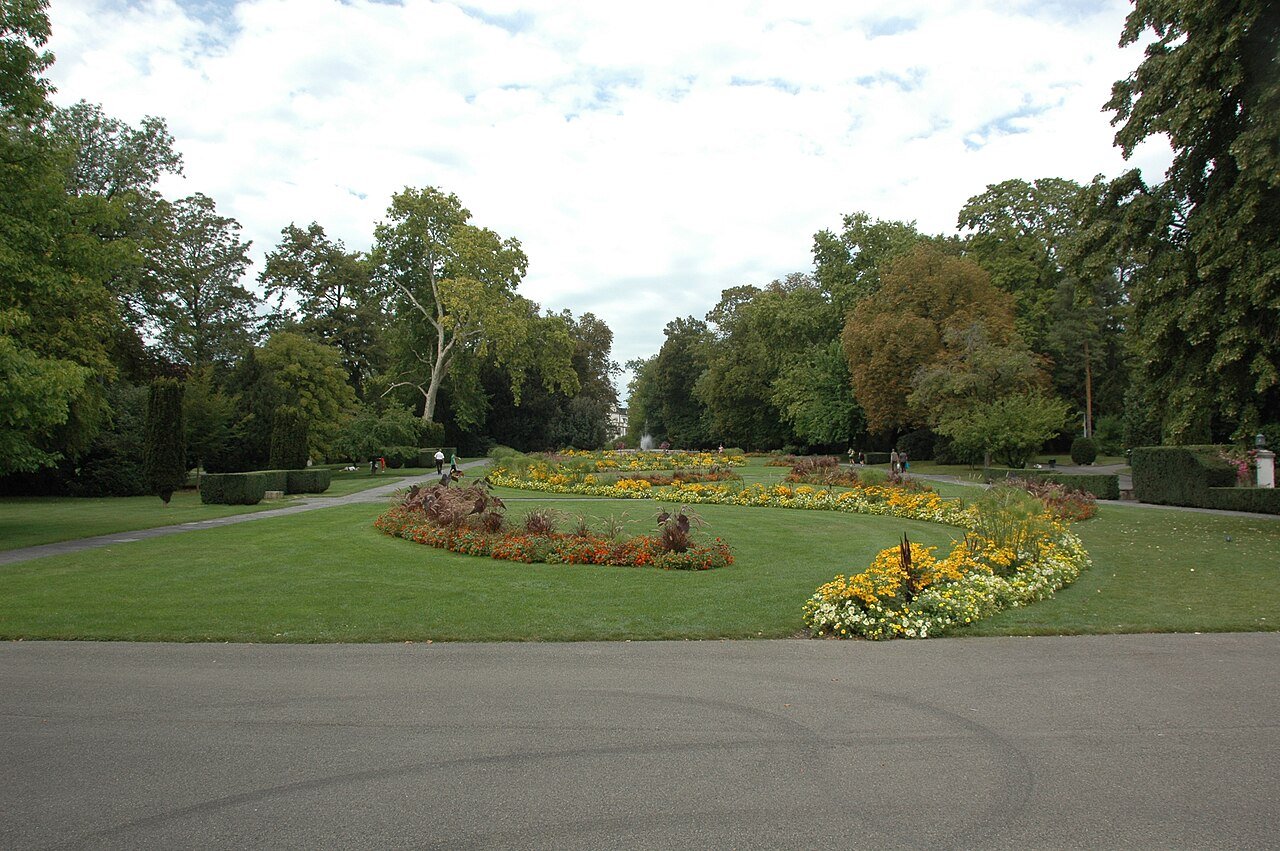
Parc Mon Repos
Parc Mon Repos lies between the Rue de Lausanne, the Avenue de France and the lake. The City of Geneva explains that the Plantamour family built the villa there and that the park was left to the city when Philippe Plantamour died in 1898; as the city’s page of local anecdotes (in French) adds, it was the first public park on the shore of Lake Geneva. It is also the start of a chain of five parks with views over the lake, the city and the mountains.

The flower clock
At the edge of the Jardin Anglais, by the lake, is the flower clock. The City of Geneva (in French) says it was created in 1955 by the city’s parks department, that its flowers are replanted four times a year to suit the season, and that its seconds hand, 2.5 metres long, is probably the longest in the world. My notes add one more item to that walk, “first apricot tree”, without saying more.

The old town and the cathedral, before dark
Then came the old town and Saint-Pierre Cathedral, and by 5:15 pm it was already dark. The City of Geneva (in French) dates the first phase of building to 1160; the work took almost a century, and the building now mixes Romanesque, Gothic and neoclassical styles. The cathedral is also the centre of Geneva’s Reformation story: the mass was abolished on 10 August 1535 and the city adopted the Reformation on 21 May 1536. At that time the interior was stripped of its decoration, and only the stained glass was spared. John Calvin, the city’s Reformation trail notes, preached there twice every Sunday. The columned front came much later, in the middle of the 18th century.

Fondue, Geneva wine and the wrong plugs
Dinner was fondue with Geneva wine. Geneva wine is easy to overlook, but Geneva Tourism describes the canton as Switzerland’s third-largest wine-producing region, with more than 1,400 hectares of vineyards.

Then came the first problem of the trip: our French plugs were too big for the Geneva sockets. Switzerland Tourism explains that most Swiss sockets are designed for Swiss three-pin plugs; the slim continental plug with two round pins fits, and most hotels have adaptors. In our case, USB saved us. The next day we took the train on to Montreux (Part 2).
GENEVA IN MY NOTES, BY AGE
(dates from the sources cited)

1160  Saint-Pierre Cathedral
  |   begun
  |
1536  Geneva adopts the
  |   Reformation
  |
1863  Red Cross committee
  |   founded in Geneva
  |
1886  Jet d'Eau born as a
  |   safety valve (30 m)
  |
1891  jet moves to the
  |   Eaux-Vives jetty
  |
1898  Mon Repos left to
  |   the city
  |
1929  Palais des Nations:
  |   first stone laid
  |
1936  League of Nations
  |   moves in
  |
1946  the UN takes over
  |
1951  Jet d'Eau: 140 m
  |
1955  flower clock planted
  v
Day 1: our day in Geneva
The takeaway: Geneva packs a lot into a short walk. Our one day, on foot and by bus, took in the UN district, a fountain that began as a safety valve, the first public park on the lake shore, a clock made of flowers and the cathedral where Calvin preached. Yet Geneva is not the capital: that honour, or rather the title of “federal city”, belongs to Bern. Geneva’s fame comes instead from the organisations it hosts and the banks my notes mention. Our first lesson of the trip was smaller and more practical: check the plugs before you leave home.
The whole trip in one minute
100 Days Europe Travel Journal · Part 1 of 24
Next: Montreux: Lake Léman, Chillon Castle and the Queen Studio (100 Days in Europe, Part 2) →
More from the journey: the Europe Travel page (all fifteen parts and the whole trip in one minute) · every Switzerland post · Part 2: Montreux · Part 3: Interlaken · Part 4: Lucerne · Part 5: Zurich · Part 15: Porto, the finale