Madeira: Porto Moniz Lava Pools, Cabo Girão and Funchal (100 Days in Europe, Part 14)
Part 14 of 24 in the 100 Days Europe Travel Journal, our 100 days across Europe by train, plane, ferry and bus.
Oh Madeira! As I write this, I have a smile on my face, and at the same time I feel sad, confused and a bit scared. In our whole 100 days we visited 11 countries and 36 cities, and Madeira island was simply the best place on the entire trip.
We came to Madeira from Lisbon (Part 13), as the video above shows, and the island filled Days 90 to 96 of the diary: seven nights in an apartment in Calheta. On Day 97 we flew on to Porto for the finale (Part 15). Below, each line of my original notes is kept and set beside what the official sources say, because a few of my numbers turned out to need correcting. My Europe Travel page sums the week up: we watched beautiful sunsets, driving through the clouds was an unforgettable experience, and every bit of Madeira was extraordinary.
What makes Madeira special
Madeira is a Portuguese volcanic island in the north Atlantic. CNN Travel describes it as the craggy tip of a giant volcano, more than 500 kilometres west of Morocco, and says its subtropical climate allows bathing all year. It is famous for trekking along its levadas, for dramatic cliffs, for infinity pools on the edges of cliffs, and for Cristiano Ronaldo: he wants you to know it is his home, and both the airport and a museum are named after him.
The levadas: a correction
My notes said the levadas, the island’s water channels, cover 1,400 km. The figure is larger. According to the levadas’ entry on UNESCO’s Tentative List, the whole network, including irrigation channels, runs to about 3,100 km of waterways, about 80 km of them in tunnels; the primary public and private channels proposed for World Heritage status total about 800 km. The name comes from the Portuguese verb levar, “to carry”: the channels carry water across an island of only 742 km².
Cristiano Ronaldo’s island
The Ronaldo line checks out. On 29 March 2017 the President of Portugal presided over the ceremony that gave Madeira International Airport its new name in Ronaldo’s honour, as the Presidency’s archive records. The CR7 Museum is in Funchal because, as the city’s tourism office puts it, Ronaldo chose Funchal, his hometown, as the place to show his trophies, including his Golden Balls and Golden Boots.
Key experiences
Porto Moniz: lava pools and black lava walls
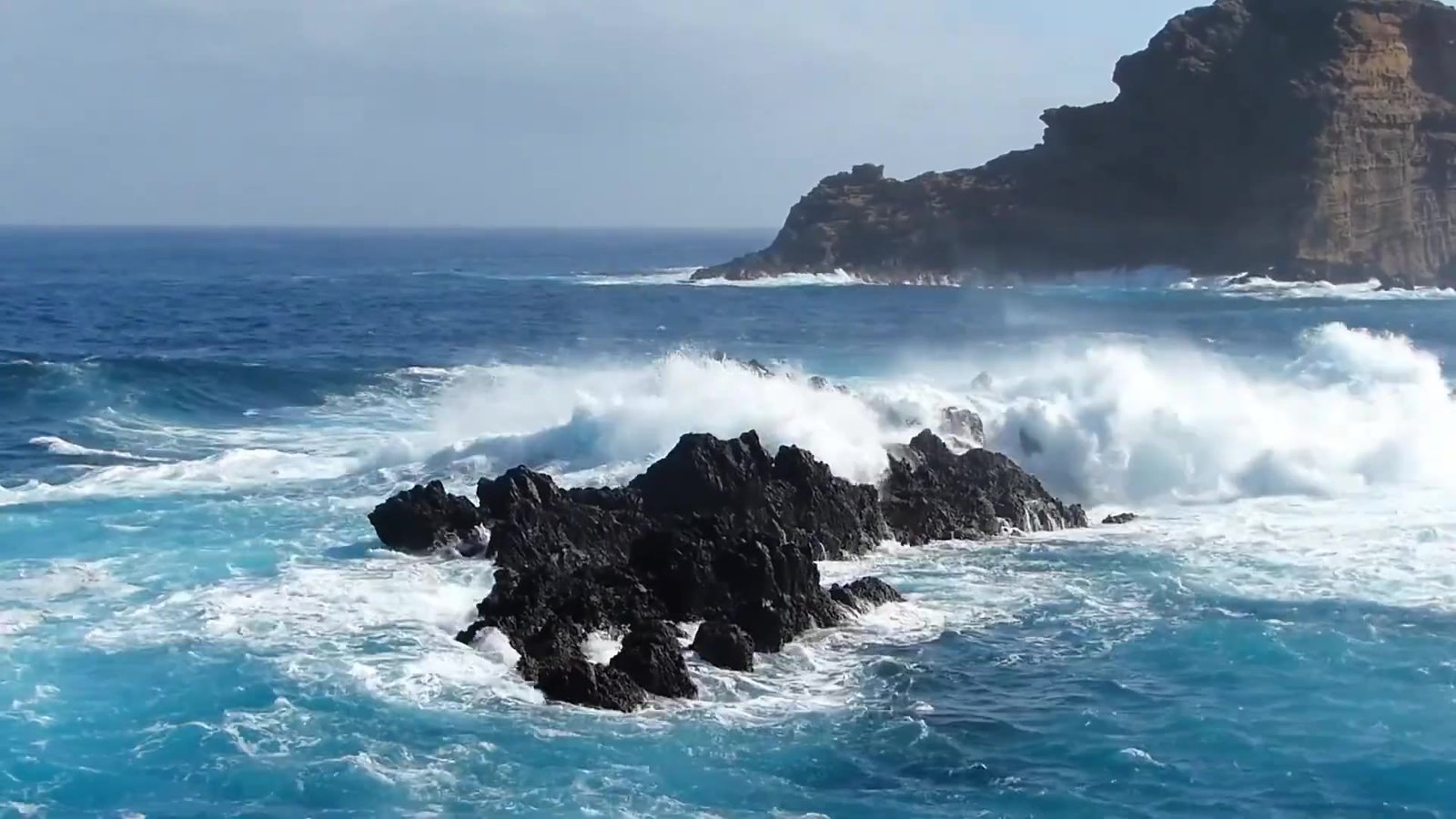
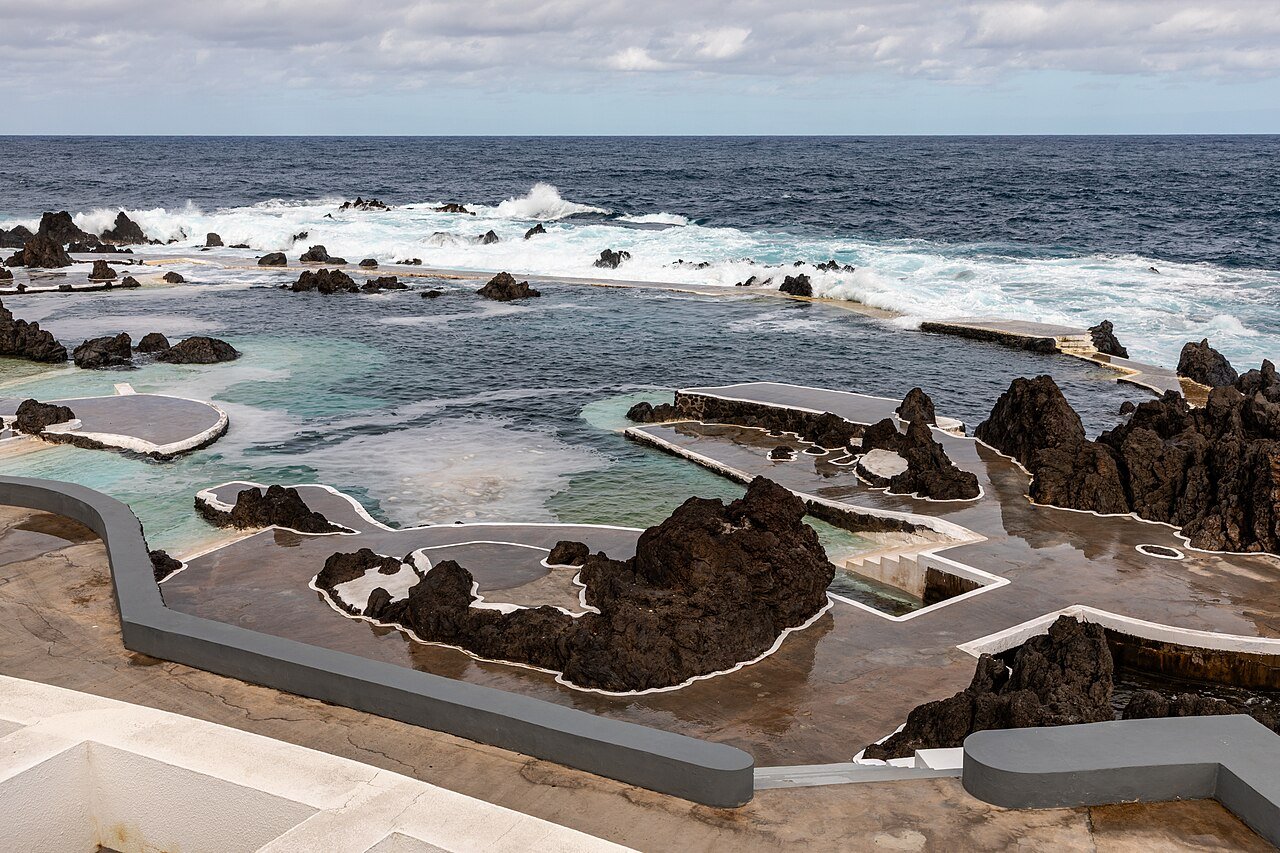
Porto Moniz gave us lava pools, massive waves and black lava walls. Visit Madeira, the island’s official tourism board, explains that the pools are of volcanic origin, formed over millennia as lava cooled, and that their shape allows seawater to flow in constantly; the swimming area covers about 3,800 m². My original note said that CNN once called one of the beaches here the best in the world for surfing. The source says something slightly different: CNN Travel’s guide to the best beaches in the world includes the Porto Moniz lava pools, admits that “it’s not technically a beach”, and praises them as a place to swim, not to surf.

Cabo Girão: the glass terrace
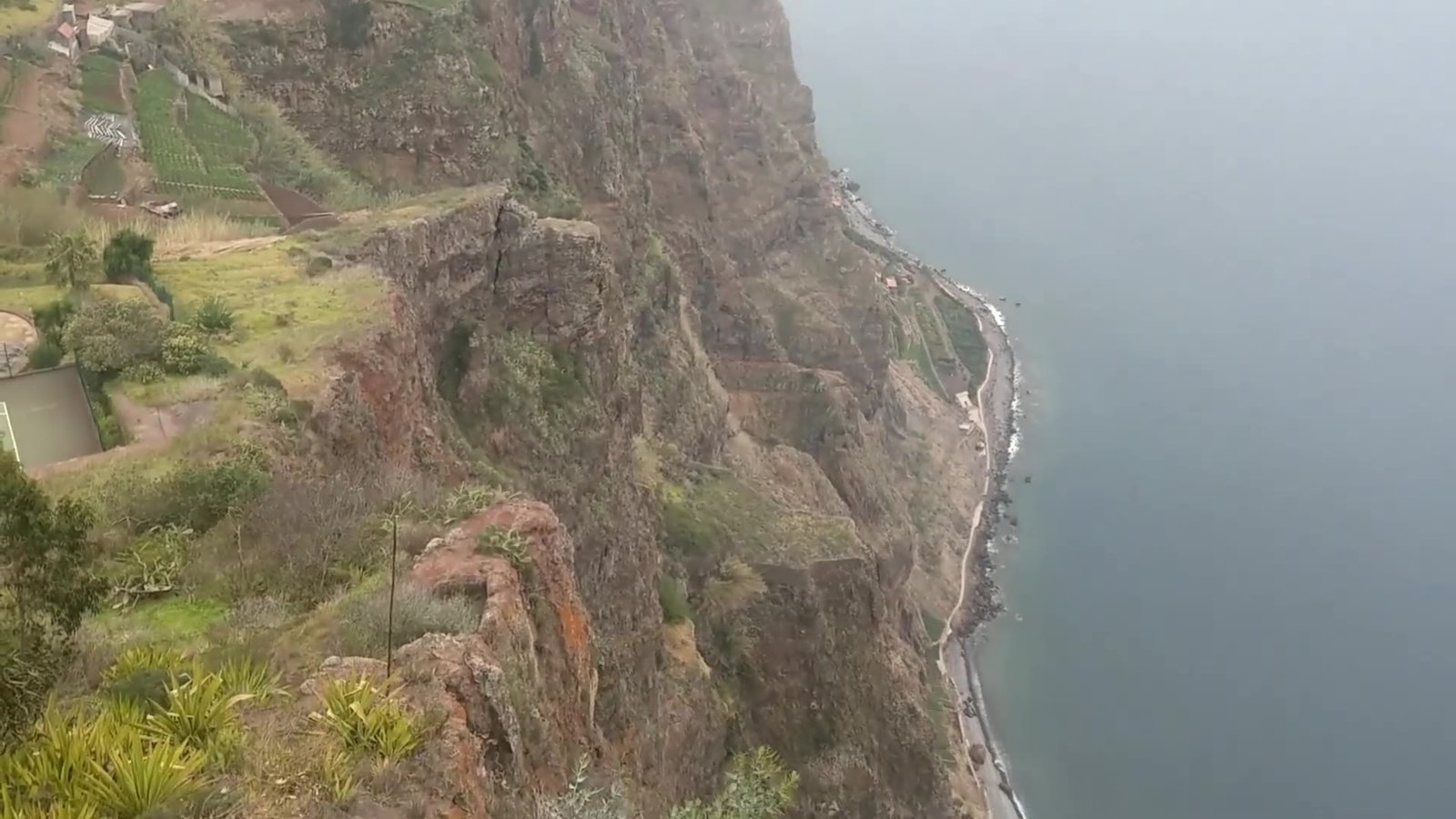
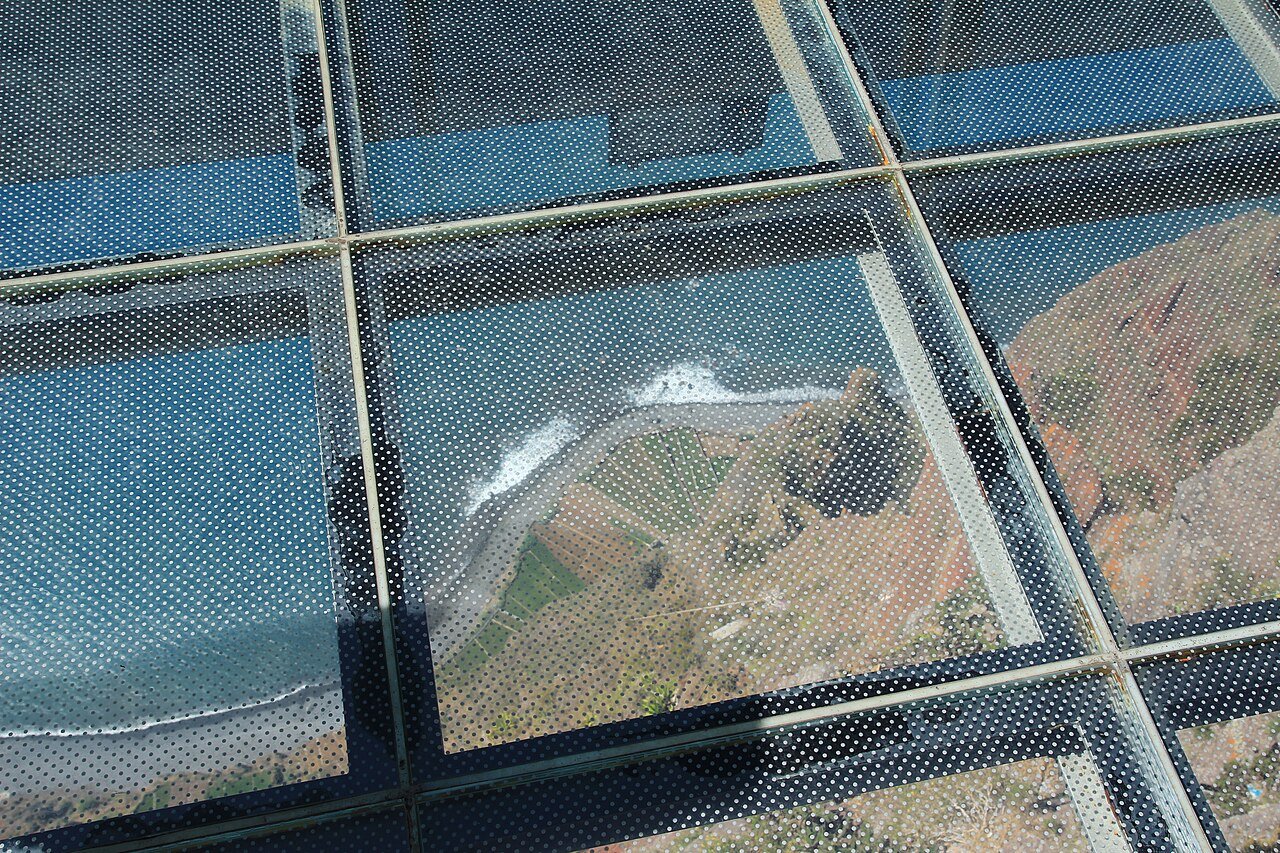
Cabo Girão is one of Europe’s highest cliffs, with a glass terrace on top (vertigo warning!). Visit Madeira gives its height as 580 metres and calls it the highest promontory in Europe; the glass platform, known as the skywalk, is suspended over the drop. As my Europe Travel page puts it, from the skywalk you look straight down through the glass floor to the fields at the foot of the cliff.

Funchal: the cathedral, the marina, the CR7 Museum and the botanical garden
In Funchal, the capital, the highlights were the cathedral, the marina, the CR7 Museum and the botanical garden. My notes mention a Gandhi statue at the marina; to be exact, it is a bust of Mahatma Gandhi in the Praça do Povo gardens close by. RTP Madeira reported the inauguration on 5 September 2019 and explained why it is there: Madeira was the only place in Portugal that Gandhi visited, in 1906, when his ship stopped on the way from the United Kingdom to South Africa.
Pico do Arieiro: above the clouds
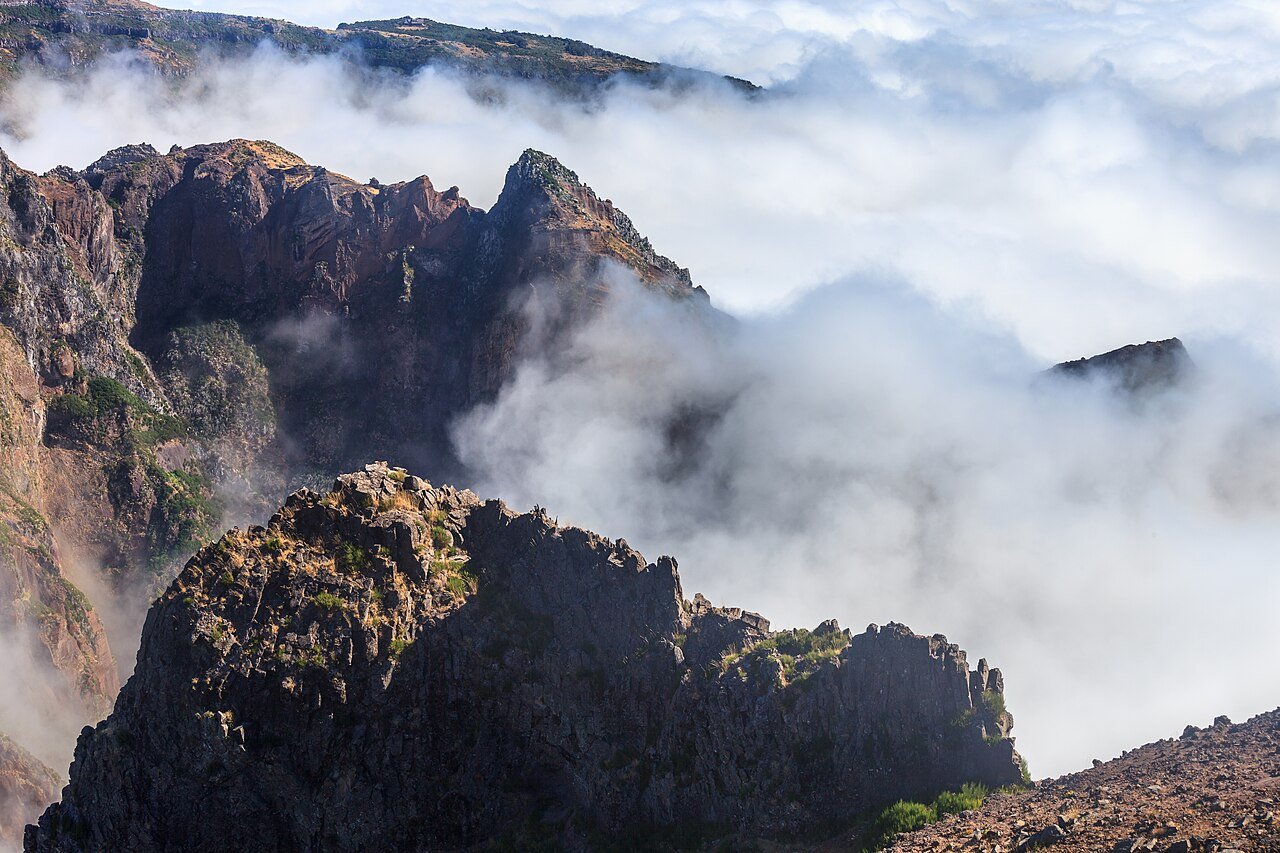
At Pico do Arieiro, the fluffy white clouds were below us, as if someone had added them in Photoshop. Hiking paths lead on to Pico Ruivo. One of them is the PR1, Vereda do Areeiro (Visit Madeira spells the peak Areeiro). Visit Madeira describes it as a trail linking the island’s highest peaks: it starts at Pico do Areeiro (1,818 m), crosses Pico das Torres (1,851 m) and ends at Pico Ruivo (1,862 m). The full route is 6.1 km, of moderate difficulty, and takes about three hours.

Santana: the thatched houses
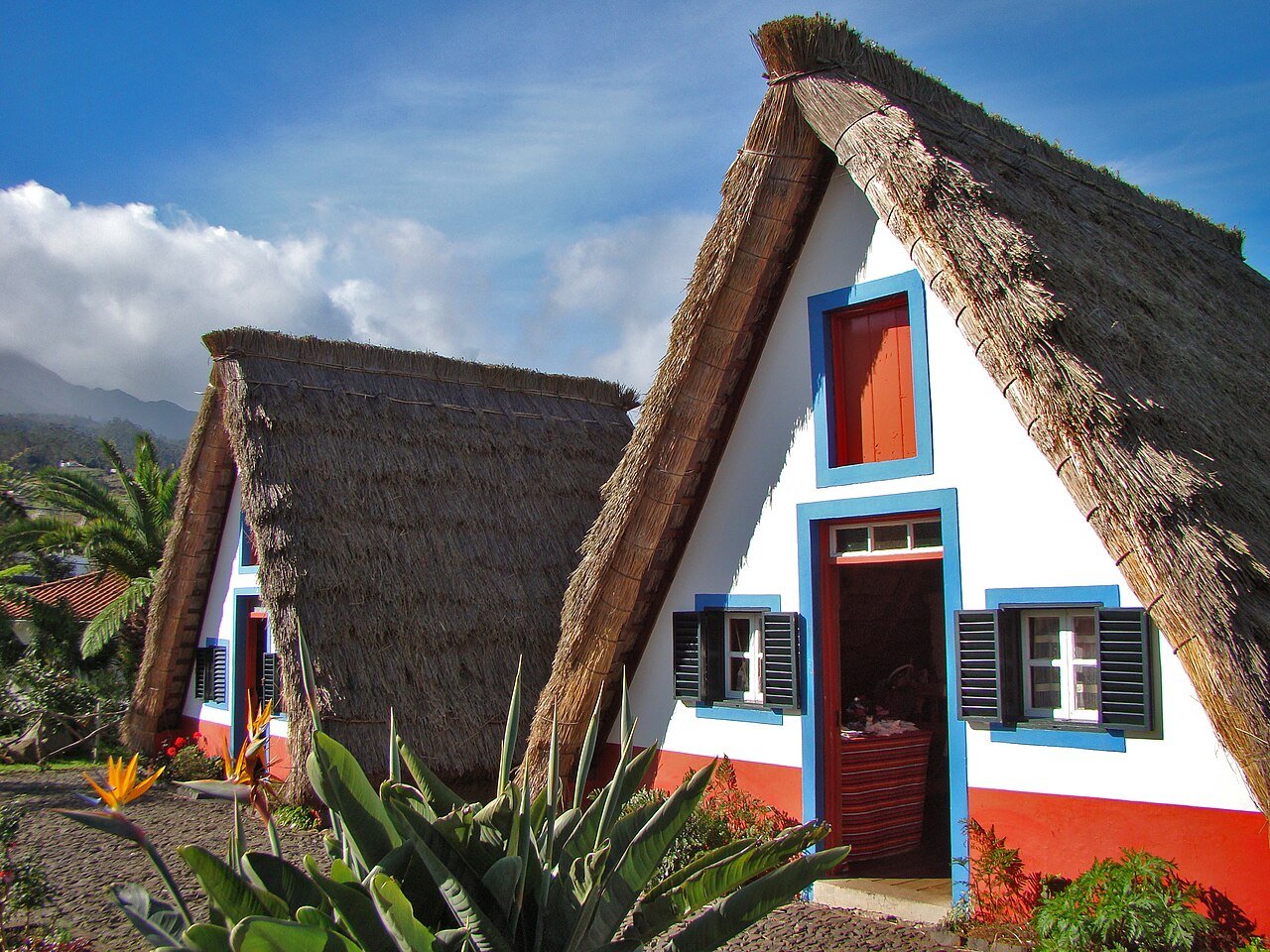
In Santana we saw the traditional thatched “Casas de Santana”. Visit Madeira explains their design: the triangular houses are built of wood, which was cheap and plentiful there, and their thatched roofs made use of cereal crops such as wheat and rye. The steep roofs let rainwater run off, and the walls are painted in bright blue, red and white.

São Vicente Caves: tunnels made by lava
The São Vicente Caves are volcanic lava tubes formed 890,000 years ago, a date that Visit Madeira confirms. The board explains how they formed: after an eruption at Paul da Serra, the outer surface of the lava flow cooled and hardened quickly, while lava kept flowing inside, leaving a series of tunnels behind. Today a 700-metre underground trail runs through them, and they were among the first volcanic caves in Portugal to open to the public, in 1996.
The earthquake: a correction
We also experienced an earthquake. My notes recorded it as magnitude 6.2 and the first in 45 years. IPMA, Portugal’s official institute for the sea and the atmosphere, reports an earthquake of magnitude 5.2. It struck on 7 March 2020 at 20:58, about 35 km south of Funchal, and was felt across almost the whole island, with intensity V on the Modified Mercalli scale in Funchal, Câmara de Lobos and Calheta, the municipality where our apartment was. As my Europe Travel page records, our trip ended just before the 2020 lockdown, and this is the strongest earthquake near Madeira in IPMA’s ShakeMap archive for 2020, so it is almost certainly the one we felt. The “45 years” needs a qualification: IPMA recorded 80 mostly small earthquakes near the archipelago in the two years before, but the last earlier earthquake it lists as having an important impact on Madeira was on 31 May 1975, almost 45 years earlier.
MADEIRA, FROM SEA TO SUMMIT
(heights from Visit Madeira)

1,862 m  Pico Ruivo
         end of the PR1 trail
   ^
   |   PR1: 6.1 km,
   |   about 3 hours
   |
1,851 m  Pico das Torres
   ^
   |
1,818 m  Pico do Areeiro
         clouds below you
   ^
   |
   |
   |
  580 m  Cabo Girão
         glass skywalk
   ^
   |
   |
    0 m  Porto Moniz
         seawater lava pools
Accommodation and practical notes
Our apartment in Calheta had the sweetest Portuguese hosts of the whole trip: two bedrooms, an enormous kitchen, a washing machine, a dryer and a south-facing balcony with an ocean view, all for €200 for seven nights. Highly recommended. On our last day we gave the keys back to our hosts and had a good chat. Really, for the first time, someone touched our hearts. If we ever come back to Madeira, we will definitely stay with them again.
Warning: landing and take-off at Madeira airport can be intense. The runway is longer than my note suggested: Guinness World Records notes that it was extended to 2,781 metres, with a section of 1,020 metres built partly over the sea on 180 pillars, the longest bridge-supported runway in the world. What makes the airport demanding shows in the rules for pilots: Portugal’s official aeronautical information publication sets wind limits for landing and requires captains to complete specific training, in a flight simulator or on a training flight with an instructor, before they may fly there; the authorisation lasts six months. My Santorini post (Part 8) describes another of the trip’s most dramatic airport approaches.
The takeaway: my notes on Madeira got the places right; the numbers were the parts that needed checking. The levadas run to about 3,100 km in total (about 800 km of them primary channels), not 1,400 km. The earthquake, as far as I can match it, measured 5.2, not 6.2, and the “first in 45 years” holds only for quakes with a real impact on the island, the last of which came in 1975. The airport runway is not short: it has been extended to 2,781 metres. And CNN praised the Porto Moniz pools for bathing, not surfing. None of this changes my verdict: Madeira was the best place on the whole trip.
100 Days Europe Travel Journal · Part 14 of 24
← Previous: Faro and Lisbon: the Bone Chapel, Belém Tower and Pastéis de Belém (100 Days in Europe, Part 13) | Next: Porto, the Finale: Livraria Lello, Dom Luís I Bridge and Azulejos (100 Days in Europe, Part 15) →
More from the journey: the Europe Travel page (all fifteen parts and the whole trip in one minute) · the Portugal posts · Part 13: Faro and Lisbon · Part 15: Porto · Part 1: Geneva